How to Find a Phone Number's Carrier
Published on October 19, 2026 • 7 min read • Written by SMS OTPS Team
Every phone number belongs to a mobile network, and finding out which one takes only a few seconds. An SMS carrier lookup reads public numbering and routing data and tells you which carrier a number sits on, which country it is registered in, and usually what kind of line it is: a real mobile SIM, a landline, or an internet-based VoIP number.
People run these lookups for practical reasons. You might want to check whether a customer's number can receive your SMS before you send it. You might want to know if a number that messaged you is a real mobile line or a disposable internet number. Or you might simply need the right carrier details before requesting a number transfer.
What a carrier lookup actually tells you
A good lookup condenses several databases into one small result. The exact fields vary by country, but you will typically see:
- Carrier name: the mobile network that currently serves the number.
- Country and region: where the number is registered, based on its country code and national prefix.
- Line type: mobile, landline, or VoIP. This single field is the one that matters most for SMS verification.
- Porting status: whether the number has moved between carriers since it was first issued.
What a lookup cannot tell you is just as important to understand. It cannot see whether a phone is switched on, whether the SIM is active right now, or who owns the number. It reads numbering data, not live handsets.
How to run a free carrier lookup
The free carrier lookup tool on SMS OTPS takes under a minute:
- Open the carrier lookup page.
- Type the number in full international format, starting with the country code (for example +1 for the US or +92 for Pakistan). If you are unsure about the format, our number formatter will clean it up for you.
- Run the lookup and read the result: carrier, country, and line type.
There is no account to create and nothing is sent to the phone. The tool queries numbering data only, so the owner of the number is never notified.
Why the line type matters for SMS verification
The line type is where a lookup pays for itself. Strict platforms like WhatsApp, Telegram, and Google check the carrier type of every number used at registration. If their systems flag the number as an internet-hosted VoIP line, they reject it before a code is ever sent.
That is why two numbers that look identical can behave completely differently at sign-up. A non-VoIP number sits on a physical SIM inside a carrier network, so it passes the same checks a personal phone would. A VoIP number is routed over the internet, and many services block it on sight.
If you want to check a number before using it, run the carrier lookup first and then the disposable number checker, which tells you whether a number is already flagged as temporary or high risk. And if you need a clean private number of your own for a verification, you can rent a non-VoIP number by country and read the code on your dashboard as soon as it arrives.
What about ported numbers?
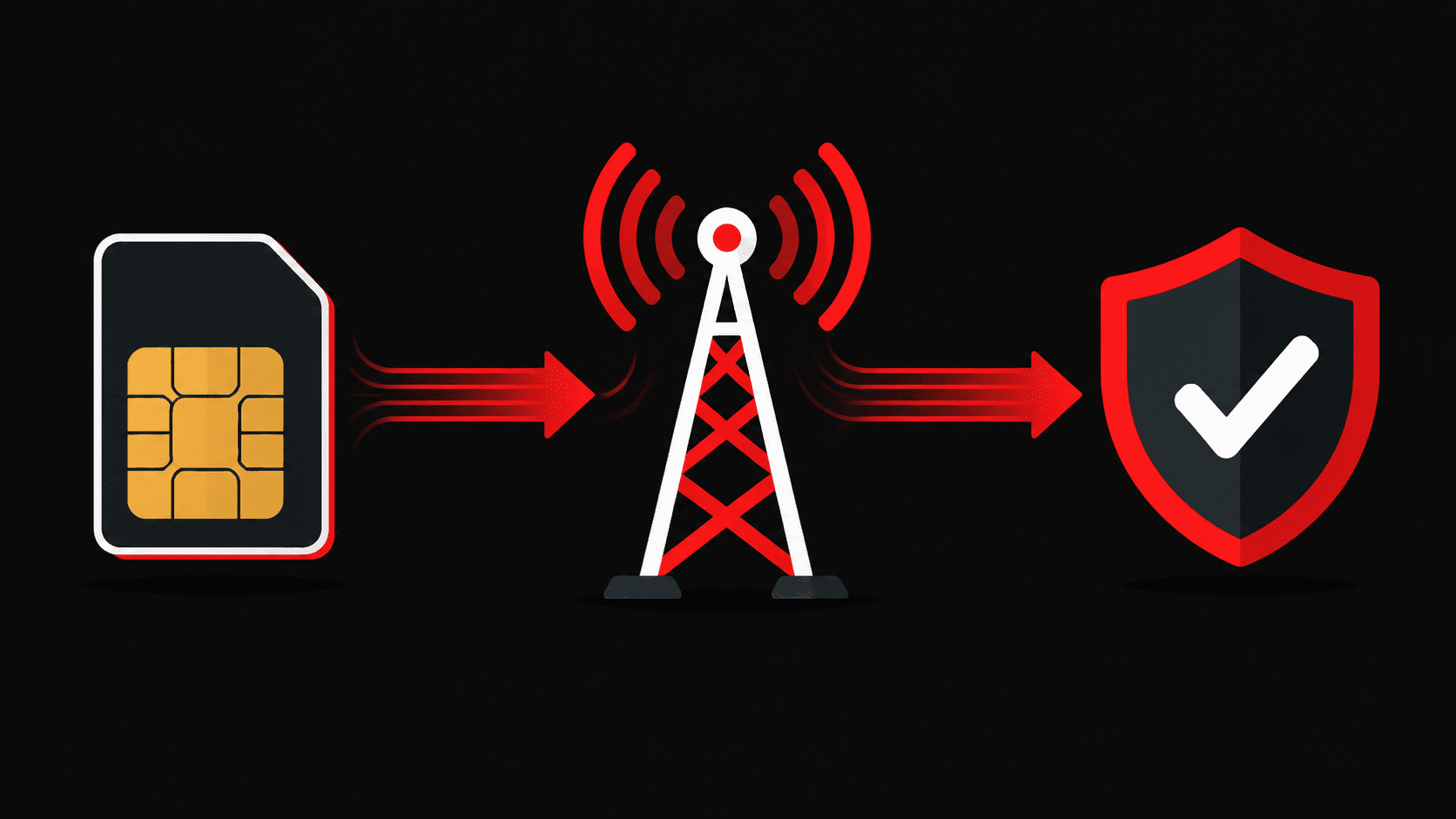
People move between carriers and keep their old numbers all the time. A number that started on one network may be served by another today. Modern lookups consult portability records, so the result normally shows the carrier that handles the number now, not the original issuer.
One caveat: portability data updates on each country's own schedule. If a number was ported very recently, some databases may still show the previous carrier for a short while. When a result looks off, run the lookup again a day or two later.
How businesses use carrier lookups
Beyond individual checks, lookups are everyday maintenance for anyone who sends SMS at scale. Teams use them to clean contact lists before a campaign, removing landlines and VoIP numbers that will never receive the message. Developers use them to route traffic through the right channels and to spot risky sign-ups early, because a registration attempt from a known disposable range looks very different from one on an established mobile carrier.
If you work with numbers programmatically, the same checks are available through the SMS OTPS API, so your own system can validate line types before it ever spends money on a send.